- Visit
- Things to Do
- Learn
- Arboretum
- Research
- Support
- About

(3rd-4th)

In this program, young scientists learn about animal behavior and adaptations. Snakes are often organisms that people do not know much about, and lack of information often contributes to fear. As long as you know about snakes, there is no reason to be wary of them! Developing herpetologists use non-fiction resources to investigate snakes and compare characteristics that differentiate Virginia’s venomous and non-venomous snakes. They measure and compare the lengths and patterns of snakes, then communicate the information they have learned through models. Students also study how snakes use behavioral adaptations such as mimicry, camouflage, and temperature regulation to thrive in their habitats.
Fee: $4 per student
Target Virginia Standards of Learning for this field investigation.
Science (2018): 3.1, 3.4, 4.1,4.2, 4.3
Mathematics (2023): 3.MG.1, 4.MG.1
English (2024): 3.RV.1, 4.RV.1
During your field investigations for our Snake Savvy program students learn the characteristics of snakes, research snakes of Virginia (and West Virginia), learn which snakes could be found in our area, and investigate the different snake habitats at the Arboretum.
Below is an overview of the “standard” program activities to assist you with integrating this field experience into the classroom experiences. This will change due to weather, the volume of students, or communication with environmental educators. Click here for a sample schedule (will vary depending on the number of classes).
Guide to Snakes of Virginia - Students use A Guide to the Snakes and Lizards of Virginia (link) by the Department of Wildlife Resources to research the habitat, characteristics, pattern, and length of a snake that can be found in Virginia.They then draw "their" snake and share information about it with the rest of the class.
Snake Trail - Snakes use their sense of smell to learn about the world around them, and in this activity, students use theirs to learn about snakes!
Snake Walk and/or Touch a Snake – We explore some of the habitats at the Arboretum looking at likely snake locations and considering how the habitats meet the life needs of snakes. If desired, students may meet one of our education animal ambassadors.
VA Standards Addressed
Science (2018): 3.1, 3.4, 4.1,4.2, 4.3
Mathematics (2023): 3.MG.1, 4.MG.1
English (2024): 3.RV.1, 4.RV.1
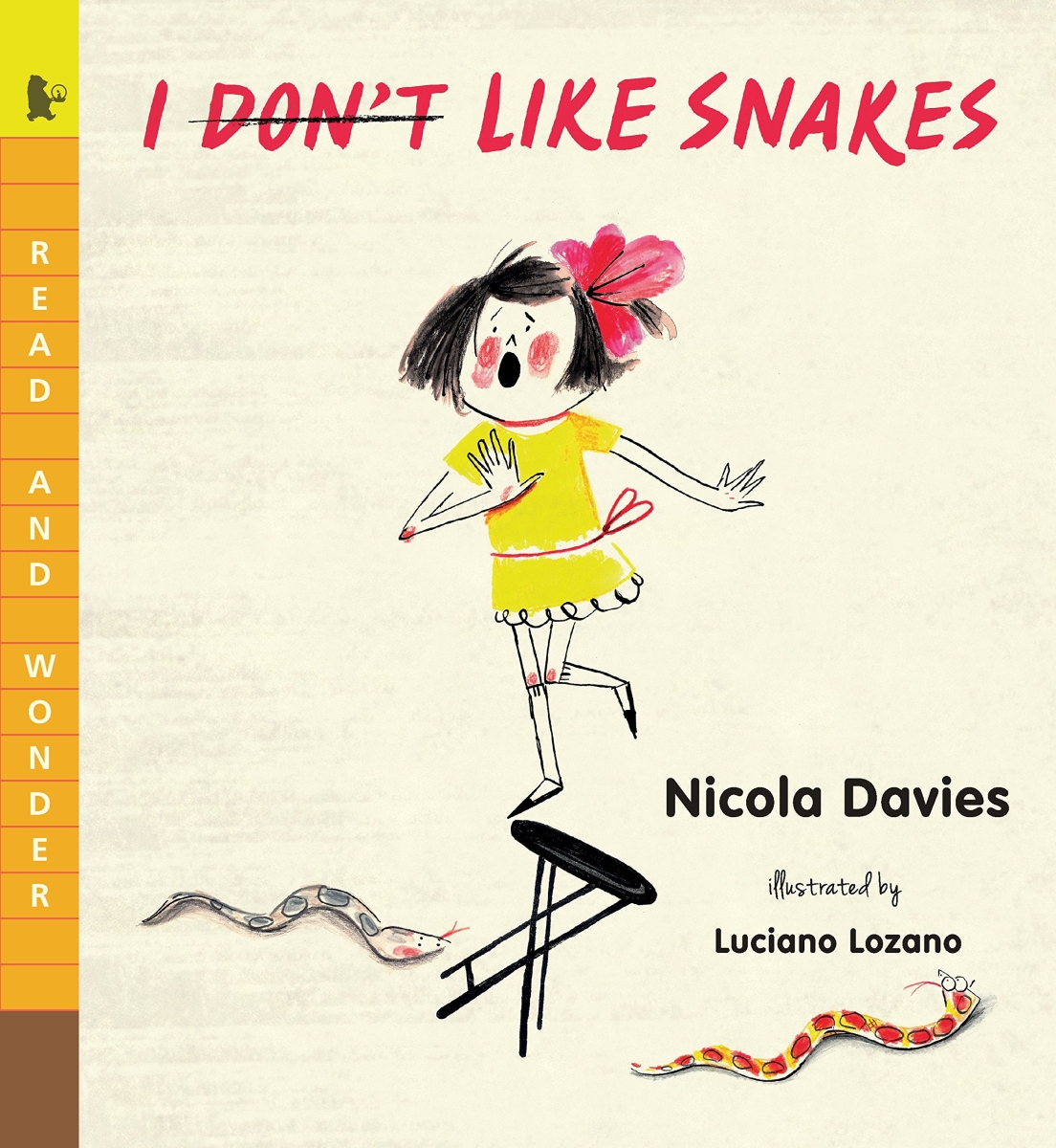 I (Don’t) Like Snakes Fiction
Author: Nicola Davies Illustrator: Luciano Lozano
Grade: K-4 Lexile: AD710L
Suggested Activities:

Verdi Fiction
Author and Illustrator: Janell Cannon
Grade: PK-3 Lexile: AD620L
Suggested Activities:

We Can’t All Be Rattlesnakes Fiction
Author: Patrick Jennings
Grade: 4-6 Lexile: 560L
Suggested Activities: